• Home
  • Top Blog
  • Advancements in Air Filter Medical Systems for Enhanced Healthcare and Safety
0%

Table of Contents

Air filter medical systems are no longer a luxury, but a necessity in today's interconnected world. From hospitals striving for sterile environments to pharmaceutical manufacturing requiring stringent quality control, and even increasingly in public spaces aiming to mitigate airborne disease transmission, the demand for reliable air purification is skyrocketing. The global healthcare landscape, coupled with growing industrial hygiene standards, fuels a persistent need for innovative and effective air filter medical solutions. Understanding the intricacies of these systems – their components, applications, and future trends – is crucial for professionals across a multitude of sectors.

The increasing frequency of extreme weather events and the spread of airborne pathogens have underscored the vulnerability of our existing infrastructure. Traditional air filtration methods often fall short, particularly in emergency situations or resource-limited settings. This gap has driven innovation in areas like portable HEPA filtration units, advanced material science for filter media, and smart monitoring systems that assess air quality in real-time. The challenge isn’t just about capturing particles; it’s about doing so efficiently, cost-effectively, and sustainably.

Furthermore, the shift towards personalized medicine and minimally invasive surgeries necessitates even more rigorous air quality control within healthcare facilities. Airborne contaminants can significantly impact patient recovery times and increase the risk of infection. This demands air filter medical technologies capable of removing microscopic particles, volatile organic compounds (VOCs), and even viruses with exceptional precision.
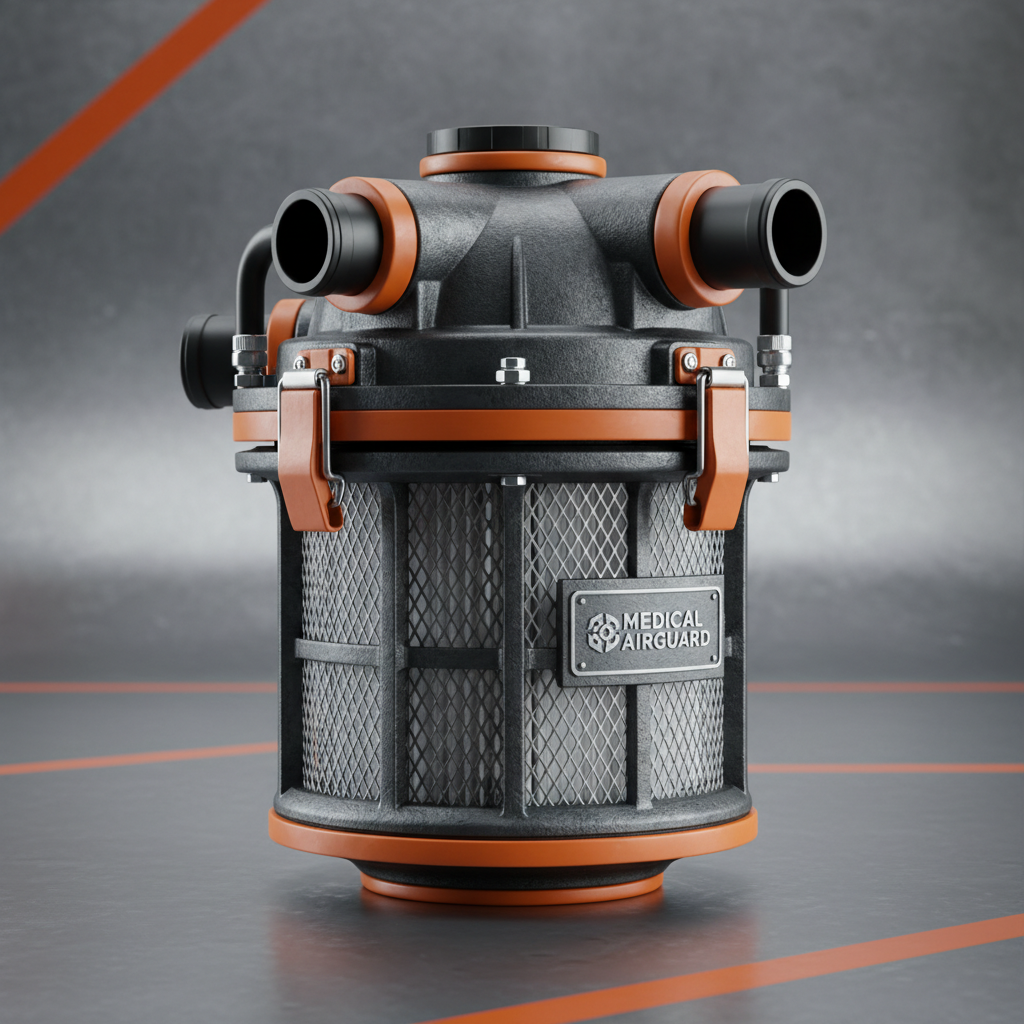
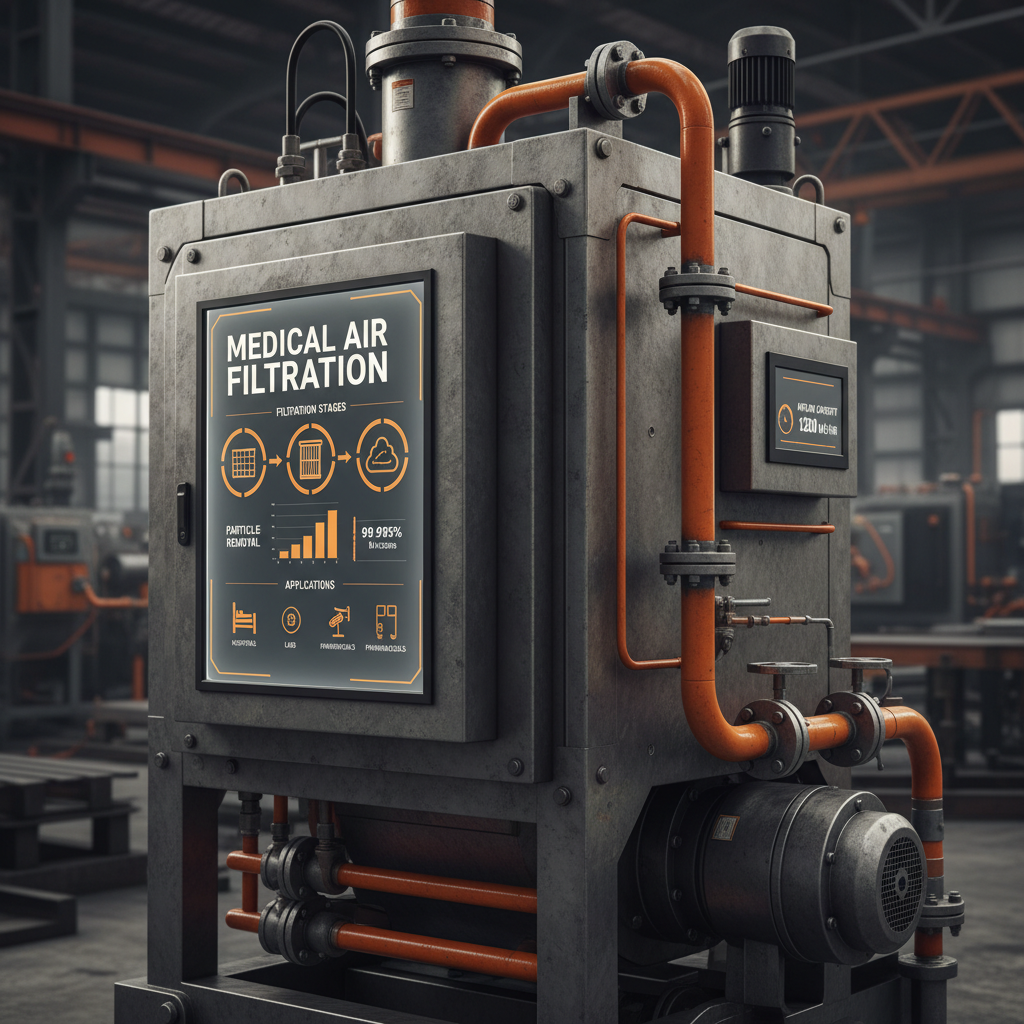
air filter medical

The Importance of Air Filter Medical Systems

air filter medical

Let’s be clear: clean air isn't just about comfort, it’s a fundamental requirement for health and safety. In the medical field, the stakes are particularly high. We're talking about preventing hospital-acquired infections (HAIs), protecting vulnerable patients undergoing surgery, and ensuring the integrity of pharmaceutical production. From my experience on construction sites building new operating rooms, I've seen firsthand how crucial a properly designed and maintained air filter medical system is.

Beyond hospitals, the need for effective air filtration extends to laboratories, dental offices, and even long-term care facilities. Any environment where airborne contaminants pose a risk requires careful consideration of filtration strategies. The complexity increases when you factor in specific pollutants – allergens, mold spores, bacteria, viruses – each requiring a tailored filtration approach.

Defining Air Filter Medical Technology

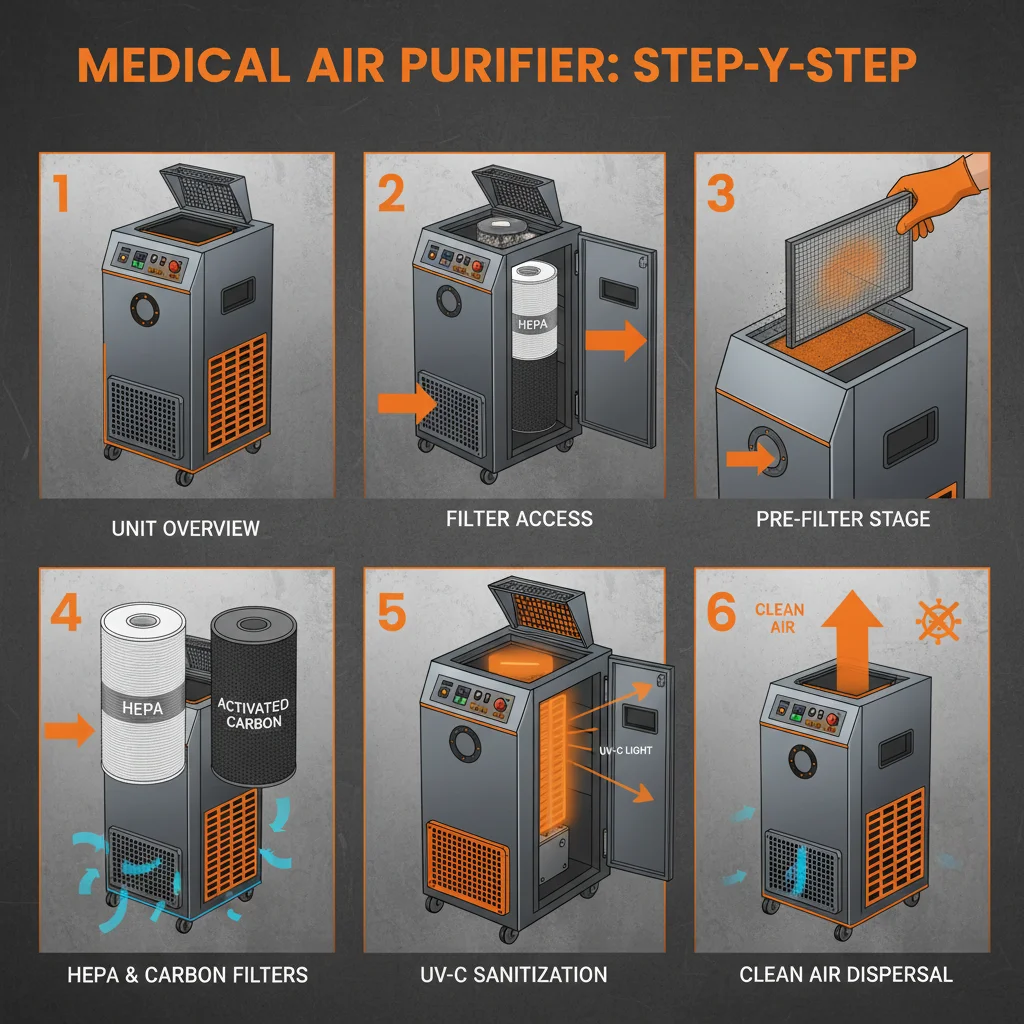
At its core, air filter medical technology encompasses systems designed to remove airborne particles, gases, and biological contaminants from a defined space. It’s not a one-size-fits-all solution; the specific technologies employed depend on the application and the types of pollutants being targeted. This can range from simple mechanical filters to sophisticated UV sterilization systems and electrostatic precipitators.

The effectiveness of a system is typically measured using metrics like Minimum Efficiency Reporting Value (MERV) and High-Efficiency Particulate Air (HEPA) ratings. MERV ratings indicate a filter’s ability to capture particles of different sizes, while HEPA filters are certified to remove at least 99.97% of particles 0.3 microns in diameter. Understanding these ratings is critical for selecting the appropriate filter for a given environment.

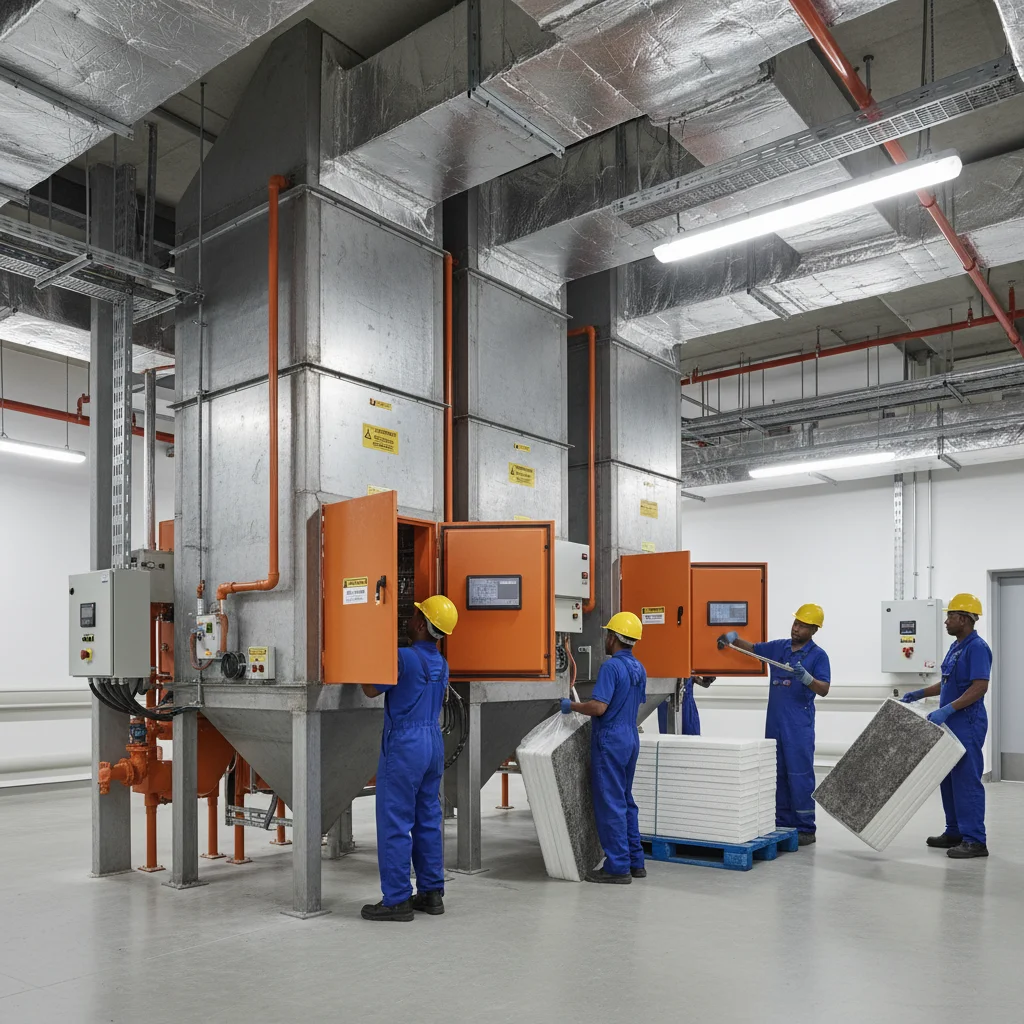
What’s often overlooked is the importance of the entire system – not just the filter itself. Proper airflow, ductwork design, and regular maintenance are all essential components of a high-performing air filter medical setup. I’ve seen too many projects where expensive filters are rendered ineffective due to poor installation or lack of upkeep.

Key Factors Influencing Air Filter Medical Performance

Several key factors determine the effectiveness of an air filter medical system. First, filtration efficiency is paramount – the ability to capture and remove airborne contaminants of specific sizes. But that’s not the whole story.

Next, airflow rate significantly impacts performance. A filter can be incredibly efficient, but if the airflow is too low, it won’t be able to adequately purify the air in a large space. Conversely, too much airflow can reduce the filter’s capture efficiency. Maintenance and filter replacement schedules are also absolutely critical. A clogged filter is a useless filter, and neglecting regular maintenance can lead to system failure and reduced air quality.

Finally, system design and integration play a vital role. The ductwork, air distribution system, and overall layout all influence how effectively the air filter medical system operates. A poorly designed system can create dead zones where contaminants accumulate, negating the benefits of even the most advanced filtration technology.

Global Applications and Real-World Use Cases

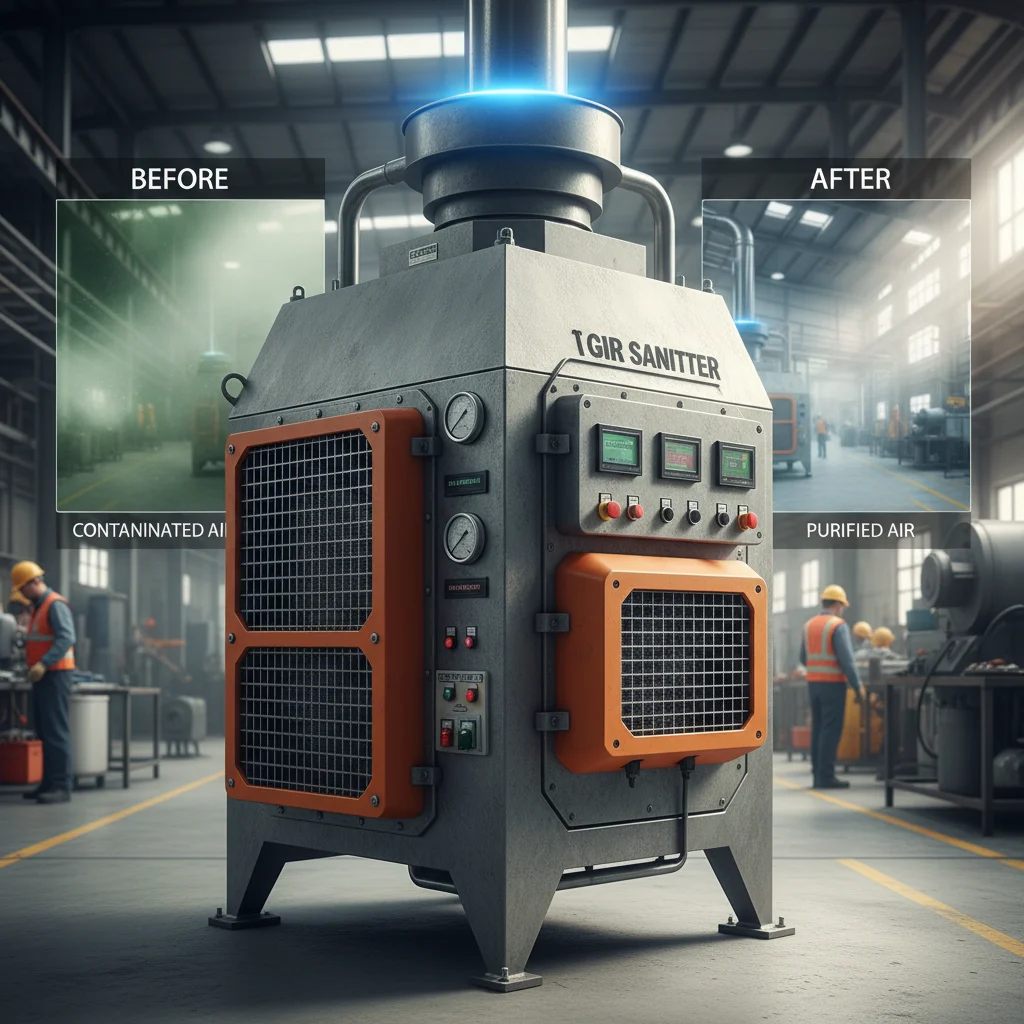
The applications for air filter medical technology are diverse and expanding. In hospitals, we see widespread use in operating rooms, intensive care units (ICUs), and isolation wards. Pharmaceutical manufacturing facilities rely on HEPA filtration to maintain sterile production environments.

Beyond healthcare, these systems are increasingly employed in laboratories, cleanrooms for electronics manufacturing, and even food processing plants. In post-disaster relief operations, portable air filtration units can provide critical clean air in temporary shelters and field hospitals. In remote industrial zones, they help protect workers from exposure to hazardous airborne pollutants.

I recently worked on a project in Southeast Asia where we implemented a large-scale air filter medical system in a textile factory to improve worker health and reduce respiratory illnesses. The results were significant, demonstrating the real-world impact of these technologies.

Air Filter Medical System Performance Comparison

Advantages and Long-Term Value Proposition

The benefits of investing in a robust air filter medical system are multifaceted. From a cost perspective, reducing HAIs in hospitals leads to lower treatment costs and improved patient outcomes. Improved air quality also translates to increased productivity and reduced absenteeism in workplaces.

But it's not just about the bottom line. There's a significant social impact to consider. Providing clean air in healthcare facilities protects vulnerable populations and promotes overall public health. Investing in sustainable filtration technologies also demonstrates a commitment to environmental responsibility.

Future Trends and Innovations in Air Filtration

The future of air filter medical technology is focused on several key areas. We’re seeing increased development of advanced materials, such as nanofiber filters and activated carbon composites, that offer superior filtration efficiency and longer lifespans.

Smart air quality monitoring systems, integrated with IoT sensors and machine learning algorithms, are becoming increasingly prevalent. These systems can provide real-time data on air quality, predict filter performance, and automate maintenance schedules. There’s also growing interest in energy-efficient filtration technologies and sustainable filter materials.

Challenges and Potential Solutions

Despite the advancements, challenges remain. The initial cost of implementing advanced air filter medical systems can be a barrier for some organizations. Proper training and maintenance are also crucial, but often overlooked.

Furthermore, the disposal of used filters can pose an environmental challenge. Developing more sustainable filter materials and implementing effective recycling programs are essential. Collaboration between manufacturers, healthcare providers, and policymakers is needed to address these challenges and ensure that everyone has access to clean air.

One solution I'm seeing gain traction is the implementation of filter-as-a-service models, where companies provide filtration systems and manage all aspects of maintenance and filter replacement for a recurring fee. This can lower upfront costs and ensure consistent performance.

Summary of Air Filter Medical System Evaluation Criteria

System Type Filtration Efficiency (MERV Rating) Maintenance Frequency Life Cycle Cost
HEPA Filtration 17-20 6-12 Months Moderate
ULPA Filtration 20+ 3-6 Months High
Activated Carbon Filtration Variable 3-6 Months Low-Moderate
Electrostatic Precipitators Variable Monthly Cleaning Moderate-High
UV Sterilization N/A (Disinfection) Annual Lamp Replacement Low
Mechanical Filtration (MERV 8-13) 8-13 1-3 Months Low

FAQS

What is the difference between a MERV rating and a HEPA filter?

MERV (Minimum Efficiency Reporting Value) ratings indicate a filter’s ability to capture particles of different sizes, ranging from 1-20. Higher MERV ratings mean better filtration. HEPA (High-Efficiency Particulate Air) filters are a specific type of filter that must remove at least 99.97% of particles 0.3 microns in diameter. Essentially, a HEPA filter is a very high MERV-rated filter, meeting a strict standard. Choosing the right one depends on the application and the type of contaminants you need to remove.

How often should I change the air filters in my medical facility?

Filter replacement frequency depends on several factors, including the type of filter, the air quality in your facility, and the system’s usage. Generally, MERV 8-13 filters should be changed every 1-3 months, while HEPA filters typically last 6-12 months. However, it’s best to regularly inspect filters and replace them when they appear dirty or clogged. Ignoring filter replacement can significantly reduce system efficiency and air quality.

What are the benefits of using UV sterilization in addition to traditional filters?

UV sterilization uses ultraviolet light to kill bacteria, viruses, and other microorganisms that may pass through traditional filters. It's particularly effective against biological contaminants. Combining UV sterilization with filtration provides a multi-layered approach to air purification, offering a higher level of protection. However, UV sterilization doesn't remove particulate matter, so it’s best used in conjunction with a mechanical filter.

How can I ensure my air filtration system is properly maintained?

Regular maintenance is crucial for optimal performance. This includes regularly inspecting and replacing filters, cleaning ductwork, checking airflow rates, and ensuring all components are functioning correctly. It's also important to keep detailed maintenance records. Consider a service contract with a qualified HVAC technician specializing in air filter medical systems.

Are there any eco-friendly air filter options available?

Yes, there’s growing demand for sustainable air filtration solutions. Some manufacturers are now offering filters made from recycled materials or biodegradable components. Look for filters with low volatile organic compound (VOC) emissions. Proper filter disposal is also important – explore recycling options whenever possible. Investing in energy-efficient filtration systems can also reduce your environmental footprint.

What are the key considerations when selecting an air filtration system for a hospital operating room?

Operating rooms require the highest level of air quality. You'll need a system that utilizes HEPA filters to remove at least 99.97% of airborne particles, along with proper airflow patterns to prevent contamination. Positive pressure ventilation is essential to ensure air flows from clean to less clean areas. Regular monitoring and certification of the system’s performance are also critical to comply with regulatory standards.

Conclusion

Investing in robust air filter medical technology is no longer simply a matter of compliance; it’s a vital investment in health, safety, and long-term sustainability. From improving patient outcomes in healthcare settings to protecting workers in industrial environments, the benefits are far-reaching. The key is to understand the specific needs of your environment, select the appropriate filtration technologies, and prioritize regular maintenance and monitoring.

As technology continues to evolve, we can expect to see even more innovative and efficient air filtration solutions emerge. Embracing these advancements – and proactively addressing the challenges associated with implementation – will be crucial for ensuring that everyone has access to clean, healthy air. For more information on our air filter medical solutions, visit our website at www.gyfsilicone.com.

Kevin Wilson

Kevin Wilson

Kevin Wilson is the Lead Process Engineer at Guangyufeng’s Dongguan facility, focusing on optimizing liquid injection molding processes. He works to improve production efficiency, reduce material waste, and enhance product consistency. Kevin has a background in Mechanical Engineering and extensive hands-on experience with advanced molding equipment. He joined Guangyufeng in
Previous Rubber Solutions for Air Purification
Next Critical Role of HEPA Filters Used in Hospitals for Infection Control and Air Quality