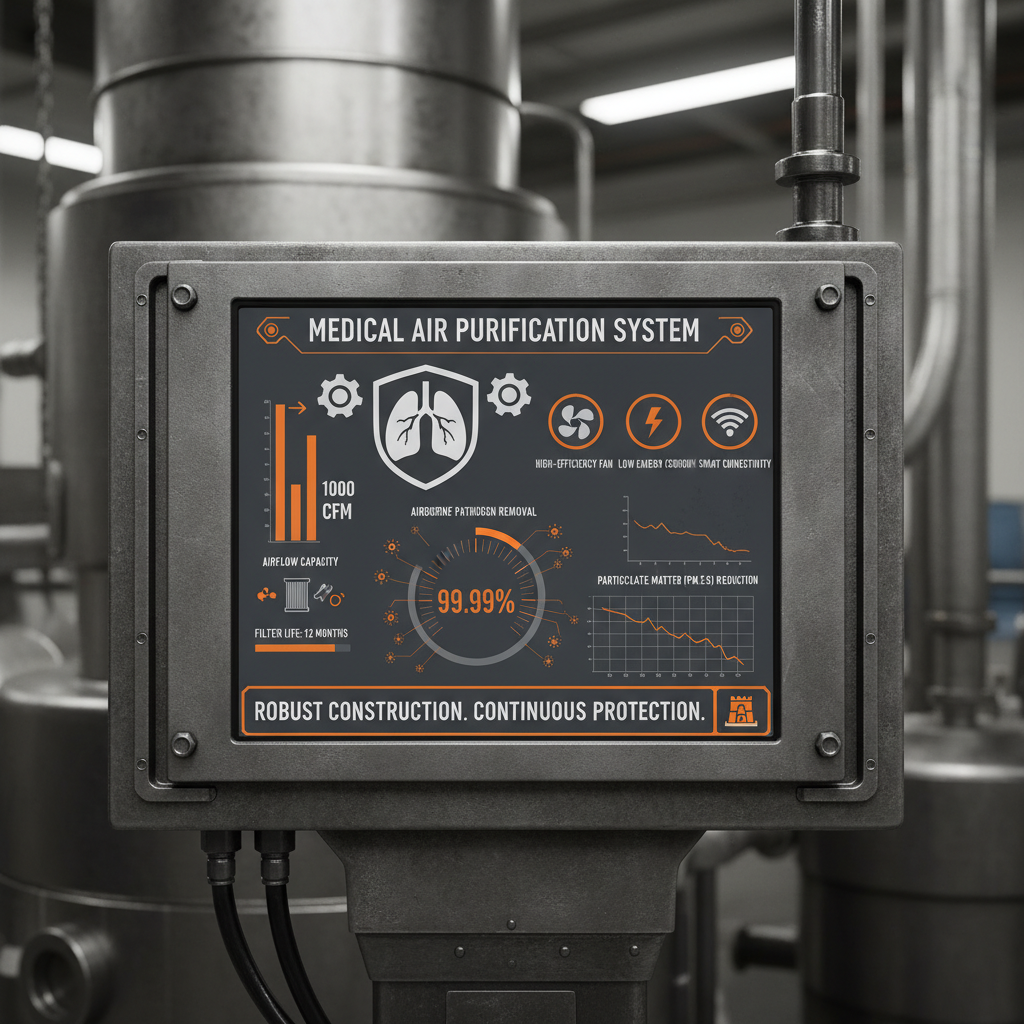
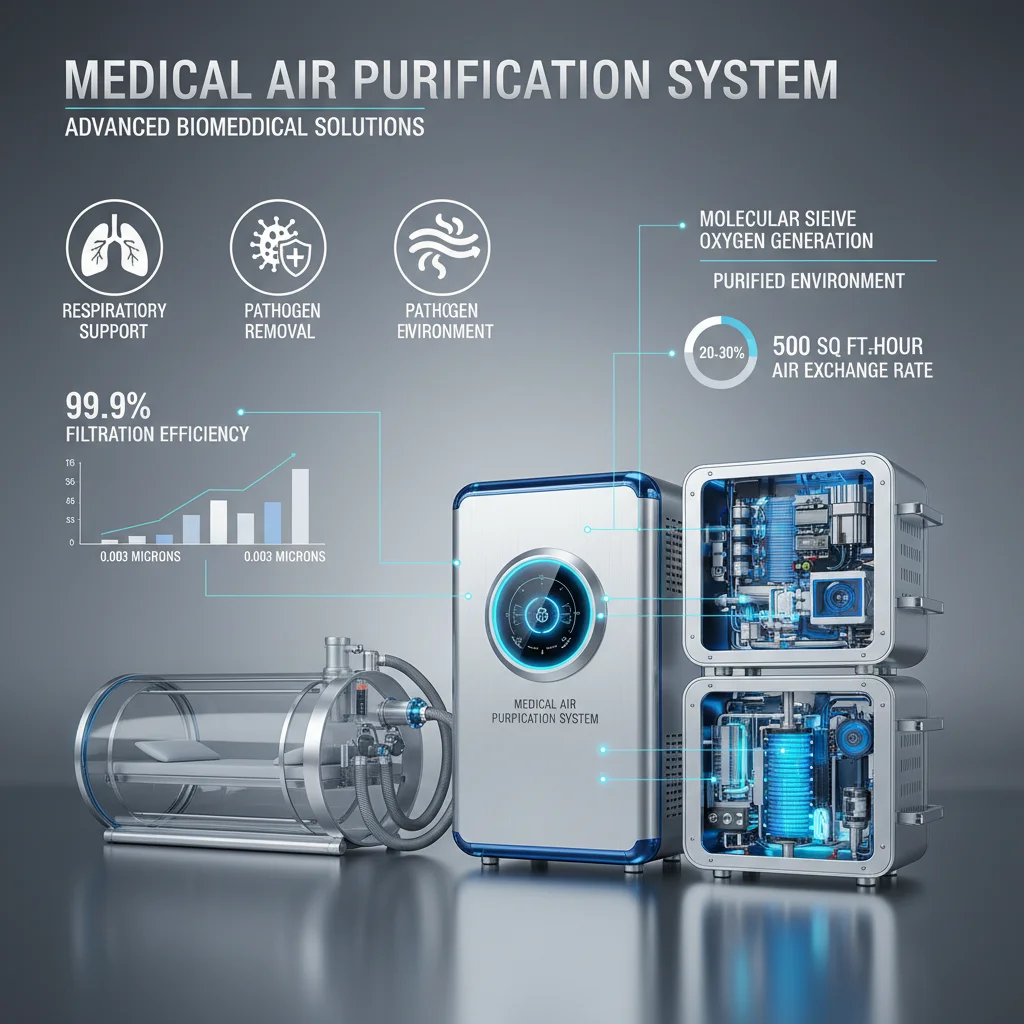
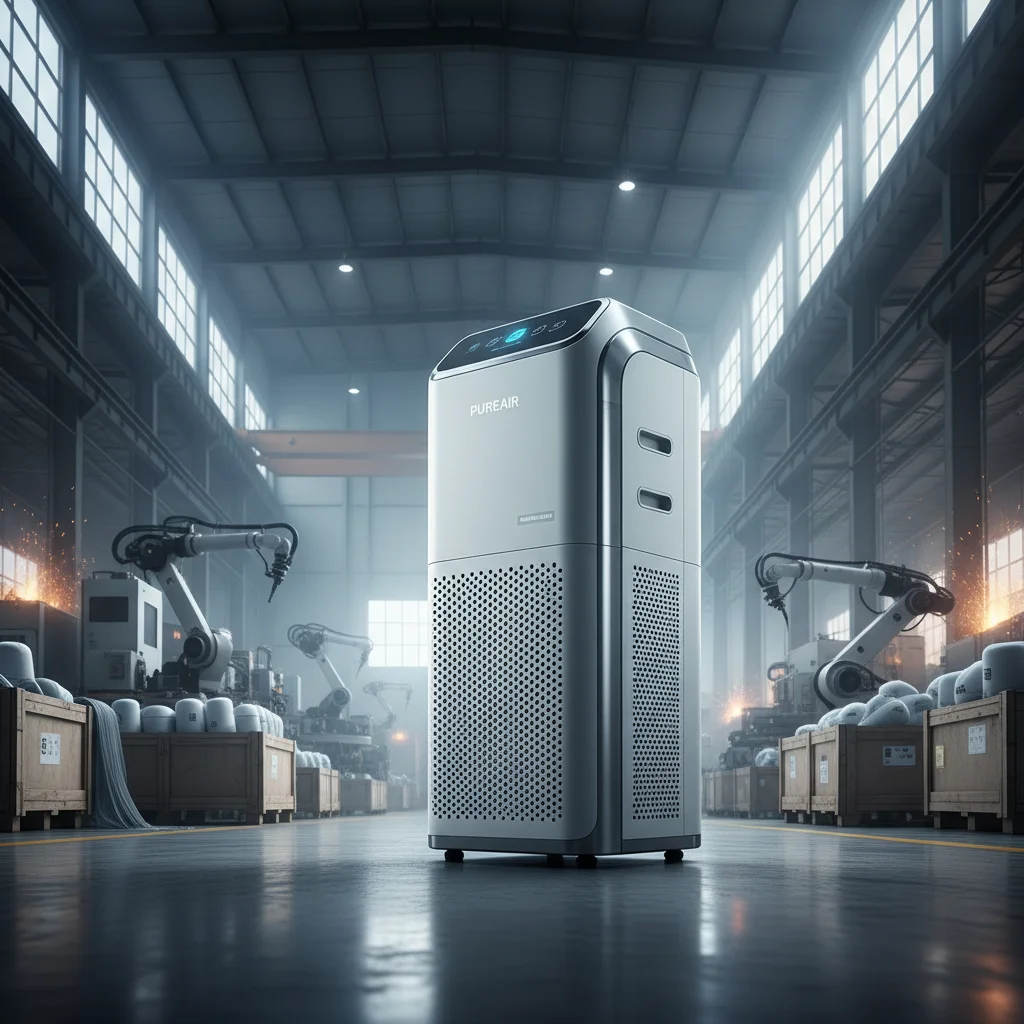
Medical air purifiers are becoming increasingly vital in a world grappling with rising air pollution and heightened health concerns. These specialized devices go beyond standard air filtration, targeting airborne pathogens, allergens, and volatile organic compounds (VOCs) that can compromise immune systems and contribute to respiratory illnesses. The demand for effective medical air purification is escalating across healthcare facilities, research labs, and even homes, driving innovation in filtration technologies and air quality monitoring.
Globally, the need for improved air quality is underscored by statistics from the World Health Organization (WHO), which estimates that 99% of the global population breathes air that exceeds WHO guideline limits. This situation creates a critical need for interventions, and medical air purifier solutions are at the forefront. Factors like industrialization, urbanization, and climate change continue to exacerbate air pollution, making advanced air purification a non-negotiable aspect of public health infrastructure.
The development and deployment of medical air purifier technology represents a significant step towards protecting vulnerable populations and creating healthier environments. Their ability to effectively remove harmful airborne contaminants makes them essential in settings where maintaining sterile or highly purified air is paramount.
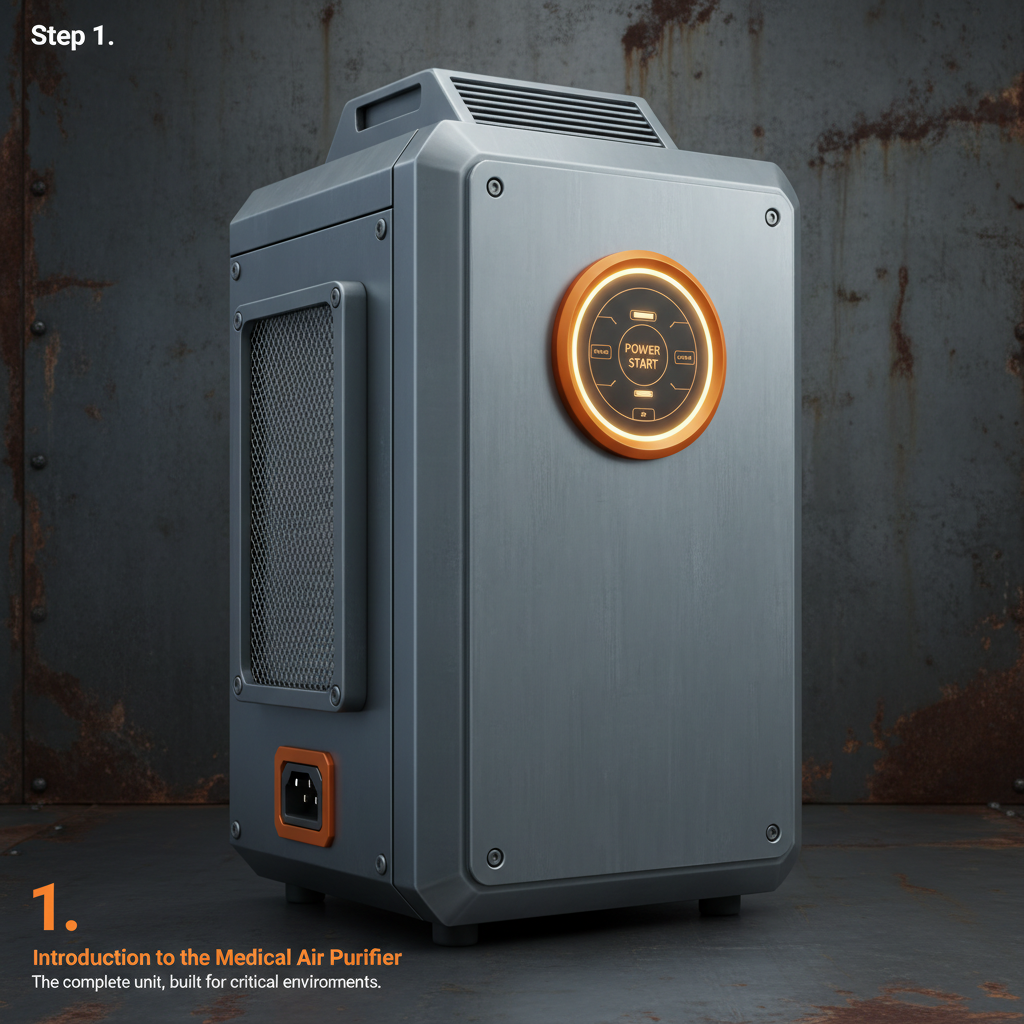
The Importance of Medical Air Purification
The significance of medical air purification extends far beyond simply removing dust and odors. In healthcare settings, maintaining sterile air is critical for preventing healthcare-associated infections (HAIs), a leading cause of morbidity and mortality. Medical air purifiers equipped with HEPA filters and other advanced technologies play a crucial role in controlling the spread of airborne pathogens like bacteria, viruses, and fungi.
Beyond hospitals and clinics, specialized air purification is essential in laboratories handling hazardous materials, pharmaceutical manufacturing facilities, and even dental offices. Protecting both patients and personnel from airborne contaminants is paramount, and a robust air purification system is a foundational component of a safe and healthy environment.
Defining Medical Air Purifiers
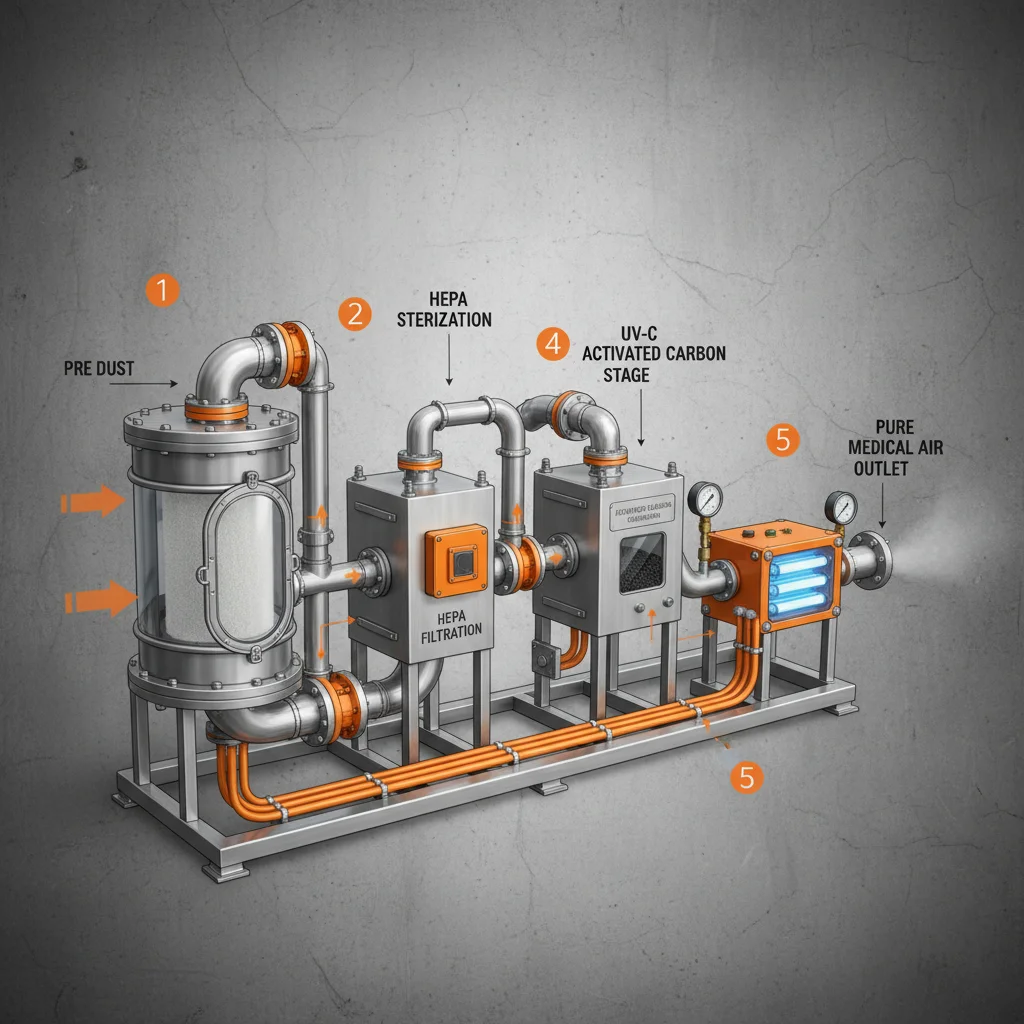
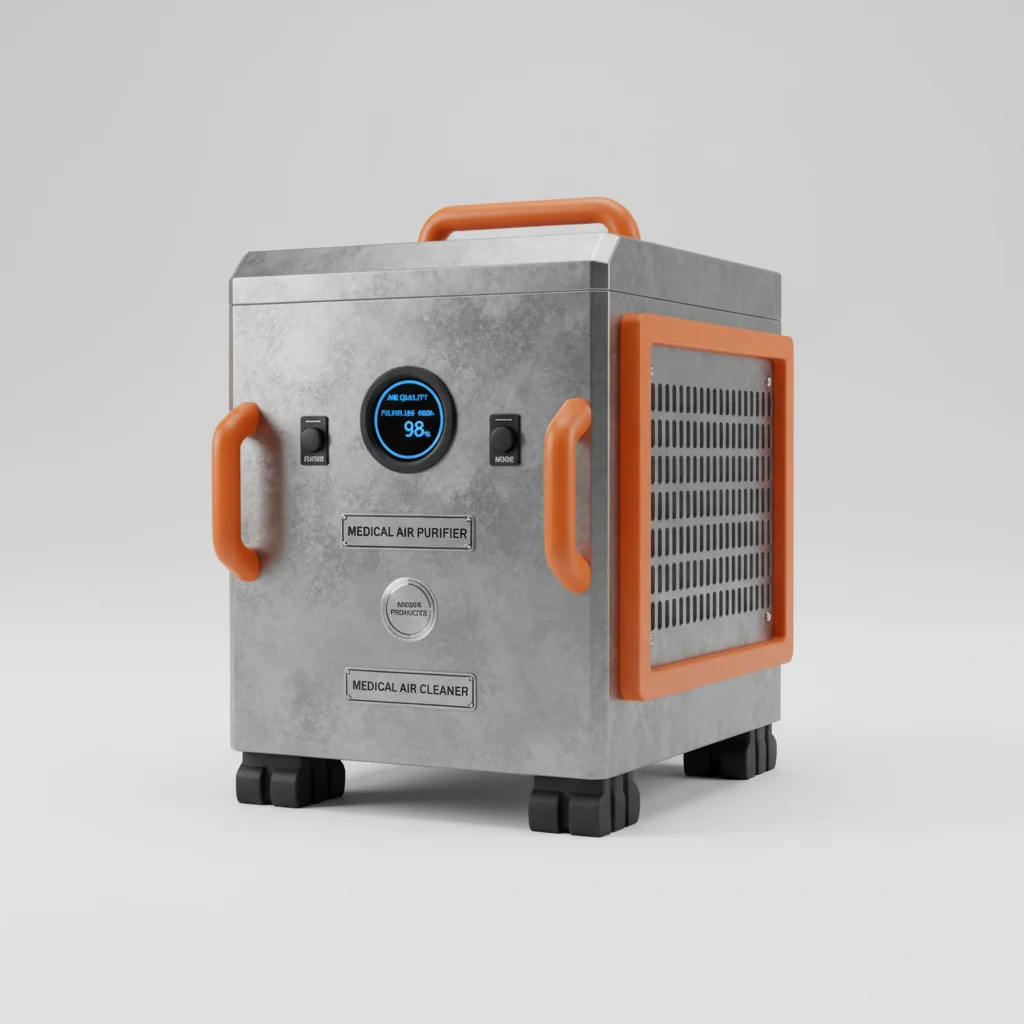
A medical air purifier is a device designed to remove airborne particles, pollutants, and pathogens from the air, specifically tailored for use in healthcare environments and sensitive applications. Unlike standard air purifiers, these units often incorporate multiple stages of filtration, including pre-filters, HEPA filters, activated carbon filters, and sometimes UV-C sterilization. This layered approach ensures a high level of air cleanliness.
The connection to modern industry and humanitarian needs is direct. The pharmaceutical industry relies on medical air purifiers to maintain sterile manufacturing environments. During public health crises, they become essential for creating safe zones in hospitals and field medical stations. In humanitarian relief, they offer a means of providing clean air to vulnerable populations affected by disasters or conflicts.
The efficacy of these purifiers is often measured by their Clean Air Delivery Rate (CADR), which indicates the volume of clean air produced per unit of time. Medical-grade purifiers frequently undergo rigorous testing and certification to meet stringent standards for performance and safety.
Core Components and Functionality
Effective medical air purification relies on several key components working in concert. The first line of defense is typically a pre-filter, which captures larger particles like dust, pollen, and pet dander, extending the life of subsequent filters.
Next, High-Efficiency Particulate Air (HEPA) filters are crucial, capable of removing at least 99.97% of particles 0.3 microns in diameter. Activated carbon filters are then used to absorb odors, gases, and volatile organic compounds (VOCs). Some advanced units also incorporate UV-C sterilization to kill bacteria, viruses, and mold spores. The synergy of these components provides comprehensive air purification.
Finally, many medical air purifiers integrate sophisticated sensors to monitor air quality in real-time, automatically adjusting fan speeds and filter settings to maintain optimal purification levels. This responsiveness ensures consistent air quality control and energy efficiency.
Key Performance Indicators for Medical Air Purifiers
Evaluating the performance of a medical air purifier requires considering several key indicators. CADR (Clean Air Delivery Rate) is a fundamental metric, reflecting the purifier’s ability to remove pollutants from a given space. Higher CADR values indicate faster and more effective purification.
Another important factor is the filter efficiency, specifically the percentage of particles captured by the HEPA filter. A true HEPA filter should capture 99.97% of particles 0.3 microns in size. Additionally, the noise level should be considered, particularly in sensitive environments like patient rooms.
Medical Air Purifier Performance Comparison
Applications Across Healthcare and Beyond
The applications of medical air purifiers are widespread, encompassing a diverse range of settings. In hospitals, they are crucial in operating rooms, intensive care units (ICUs), and patient isolation rooms, minimizing the risk of airborne infections.
Beyond hospitals, they are vital in dental clinics to control aerosols and prevent cross-contamination, in pharmaceutical manufacturing to maintain sterile environments, and in research laboratories handling pathogens or hazardous materials. Medical air purifier units are also finding increasing use in schools, offices, and even homes to improve indoor air quality and protect vulnerable individuals.
Benefits and Long-Term Value
The benefits of investing in medical air purification extend far beyond immediate improvements in air quality. Reduced healthcare-associated infections translate to lower treatment costs, shorter hospital stays, and improved patient outcomes. A healthier environment contributes to increased productivity and reduced absenteeism in workplaces.
Long-term value is further enhanced by the potential for improved employee morale and patient satisfaction. Investing in high-quality air purification systems demonstrates a commitment to health and safety, building trust and confidence among stakeholders. From a sustainability perspective, energy-efficient medical air purifier models can minimize environmental impact while delivering superior air quality.
Future Trends in Medical Air Purification
The future of medical air purification is poised for significant advancements. We are seeing increased integration of smart technologies, with air purifiers connected to building management systems for centralized monitoring and control. The development of more advanced filtration materials, such as nanomaterials, promises even higher levels of purification efficiency.
Furthermore, there's a growing focus on sustainable air purification solutions, with research into bio-filtration and energy-efficient designs. The demand for portable and deployable air purification units is also rising, particularly in response to global health emergencies.
The continued convergence of technology and healthcare will drive innovation in this field, creating increasingly sophisticated and effective air purification solutions.
Summary of Key Attributes of Medical Air Purification Technologies
| Filtration Technology |
Energy Efficiency (Scale 1-10) |
Deployment Speed |
Cost of Operation |
| HEPA Filtration |
7 |
Medium |
Low |
| Activated Carbon Filtration |
6 |
Medium |
Medium |
| UV-C Sterilization |
8 |
Fast |
Medium |
| Electrostatic Precipitators |
9 |
Slow |
High |
| Nanomaterial Filters |
5 |
Medium |
High |
| Bio-filtration |
4 |
Slow |
Low |
FAQS
Medical air purifiers differ from standard models in their multi-stage filtration systems designed for healthcare environments. They often include HEPA filters, activated carbon filters, and sometimes UV-C sterilization to remove pathogens, gases, and odors with a higher level of efficacy. They are also tested to higher standards and often offer real-time air quality monitoring.
Filter replacement frequency depends on usage and air quality. Pre-filters should be replaced every 1-3 months. HEPA filters typically last 6-12 months. Activated carbon filters should be replaced every 3-6 months, and UV-C lamps have a lifespan of around 10,000 hours. Always follow the manufacturer's recommendations.
Noise levels vary by model. Some medical air purifiers operate very quietly, while others can produce a noticeable hum, especially on higher fan speeds. Look for models with low decibel ratings if noise is a concern, particularly in patient rooms or quiet workspaces.
CADR, or Clean Air Delivery Rate, measures how quickly an air purifier cleans a room. A higher CADR means the purifier can filter air more effectively in a larger space. It’s an important metric to consider when choosing an air purifier, as it indicates its overall performance.
Yes, medical air purifiers equipped with HEPA filters can effectively remove allergens like pollen, dust mites, and pet dander from the air, providing relief for allergy sufferers. The activated carbon filter also helps to remove irritating odors and gases that can exacerbate allergy symptoms.
UV-C light can be harmful to skin and eyes. Medical air purifiers using UV-C sterilization should have fully enclosed UV-C lamps to prevent exposure. Ensure the unit is designed with safety in mind and follow manufacturer instructions.
Conclusion
In conclusion, medical air purifier technology represents a crucial investment in public health, safety, and well-being. From protecting vulnerable patients in hospitals to creating healthier workplaces and homes, these devices play a vital role in mitigating the risks associated with airborne contaminants. Understanding the core components, applications, and future trends in this field is essential for making informed decisions.
Looking ahead, continued innovation and adoption of medical air purification solutions will be critical in addressing the challenges of a changing world. By prioritizing air quality, we can foster healthier communities and a more sustainable future. We encourage you to explore the benefits of medical air purifier and visit our website at www.gyfsilicone.com to learn more.